- Home
- Technology
- Leaflet
How to Use a Water Flosser: Steps, Benefits and Common Mistakes
- Shelved
- Takes
- 4min
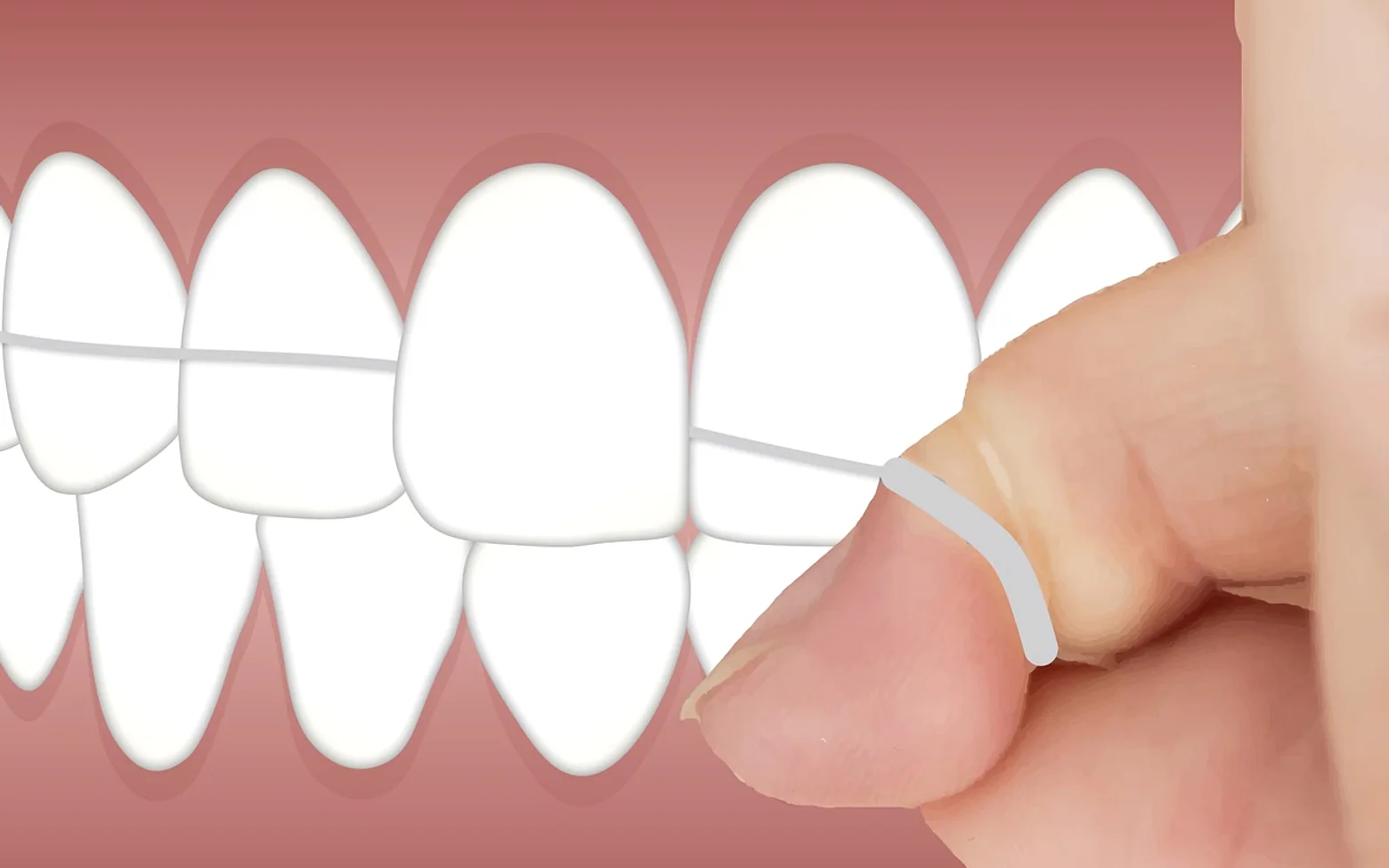
Quick takeaways A water flosser rinses the gumline and the gaps between teeth with a pulsing stream. Used slowly and on a gentle setting, it can make daily cleaning between teeth far less fiddly.
To use a water flosser, fill the reservoir with lukewarm water, start on the lowest pressure setting, lean over the sink with your lips loosely closed around the tip, and trace the gumline slowly, pausing briefly at each gap between the teeth. A full pass usually takes a minute or two. The rest of this guide covers each step in more detail, how water flossers compare with string floss, and the habits that make them messier or less useful than they need to be.
What a water flosser does
A water flosser, sometimes called an oral irrigator, pushes a thin, pulsing jet of water through a small nozzle. Aimed at the gumline and the spaces between teeth, the jet rinses away loose food and disturbs soft plaque in places a toothbrush cannot reach. Countertop models have a larger tank and a hose; cordless models hold less water but fit in a drawer or a wash bag.
It is a cleaning aid, not a replacement for brushing. The brush still does the main work on the visible surfaces, as our guide to brushing your teeth properly explains.
Step by step
- Fill the tank. Use lukewarm water; very cold water can make sensitive teeth twinge. Only add mouthwash or anything else if the manufacturer's instructions say it is suitable.
- Fit a tip. Use the standard tip unless your dentist has suggested a specialist one, for example for braces or implants. Each person in the household needs their own.
- Set the pressure low. Begin on the gentlest setting and raise it over a week or two only if it feels comfortable.
- Lean over the sink. Put the tip in your mouth before switching on, then close your lips just enough to stop splashing while letting the water run out into the basin.
- Follow the gumline. Start at the back teeth and aim the tip at a right angle to the gums. Move slowly along the outer side of the teeth, pausing for a moment at each gap, then repeat along the inner side.
- Switch off, then remove. Turn the unit off before taking the tip out, empty any water left in the tank and let the parts air-dry.
Do water flossers work?
For many people they are a practical way to clean between teeth, especially for those who find string floss awkward. They tend to suit people who have:
- fixed braces, where wires make threading floss slow;
- bridges, implants or crowns with edges that are hard to reach;
- arthritis or limited movement in the hands;
- gums that feel tender with floss, although tenderness or bleeding is worth showing to a dentist.
What a water jet does less well is wipe firmly stuck plaque off the side of a tooth inside a tight contact point. That is why some dental teams suggest using it alongside floss or interdental brushes rather than instead of them. Your hygienist can look at the spaces between your teeth and say which tool fits best.
Water flosser vs floss
| Point of comparison | Water flosser | String floss |
|---|---|---|
| Ease of use | Easier for many hands; a little messy at first | Takes practice and some dexterity |
| Tight gaps | Rinses them but cannot scrape the tooth sides firmly | Slides into tight contacts and wipes the surface |
| Braces and bridges | Works around wires and fixed work | Needs threaders or special floss |
| Running cost | The device plus replacement tips | Very low |
| Space and travel | Needs a sink, water and often a socket | Fits in a pocket |
Neither is right for everyone. The best choice is the one you will use every day.
Water flosser benefits people notice
Reasons people stick with one include a cleaner feel along the gumline, fewer bits of food trapped around braces, and a routine that feels quicker than flossing tooth by tooth. A cleaner gumline can also help with stale breath; our article on the everyday causes of bad breath covers the other habits involved.
Mistakes to avoid
- Starting on high pressure. It sprays everywhere and can leave gums sore. Build up gradually.
- Rushing. Sweeping quickly across the teeth misses the gaps. Slow down and pause at each one.
- Skipping the inner surfaces. The tongue side of the lower teeth collects plenty of debris.
- Leaving water in the tank. Empty and dry it after each use, and clean it as the instructions describe so a film does not build up.
- Keeping tips too long. Replace them as the manufacturer suggests, or sooner if they look worn or discoloured.
Questions worth asking
Should I use it before or after brushing?
Either order works for most people. Some prefer to flush out food first so the toothpaste reaches more of each tooth; others brush first and finish with the water jet. Pick one order and keep to it.
Can I use one with sensitive teeth?
Usually, with lukewarm water and a low setting. If a particular tooth hurts, stop and mention it at your next dental visit.
Do I need an electric toothbrush as well?
No. A water flosser pairs with any brush. If you are weighing up that choice too, see our comparison of electric and manual toothbrushes.
When to check with a dentist
Bleeding that continues after a couple of weeks of gentle cleaning, gums that are swollen or pulling back, loose teeth, or pain when the water hits one spot are all worth having examined. Fixed orthodontic work comes with its own cleaning advice too; current treatment, from aligners to tracked brackets, is described in our piece on orthodontic technology and planning.
One thing first
A guide, not a verdict
Our pages are good for understanding a topic and for writing down the questions you want to ask. They cannot tell you what is happening in your own mouth, lungs or body.
If anything here seems to clash with what your dentist, pharmacist or doctor has told you, their advice comes first.
The writers at Inside Schizophrenia
The topic map
Before you use this site. Everyday reading only. Your dentist, pharmacist or doctor knows your own situation.