Clear Trays, Smart Brackets, and Data-Driven Planning: Technology Changing Orthodontic Care
- Shelved
- Takes
- 3min
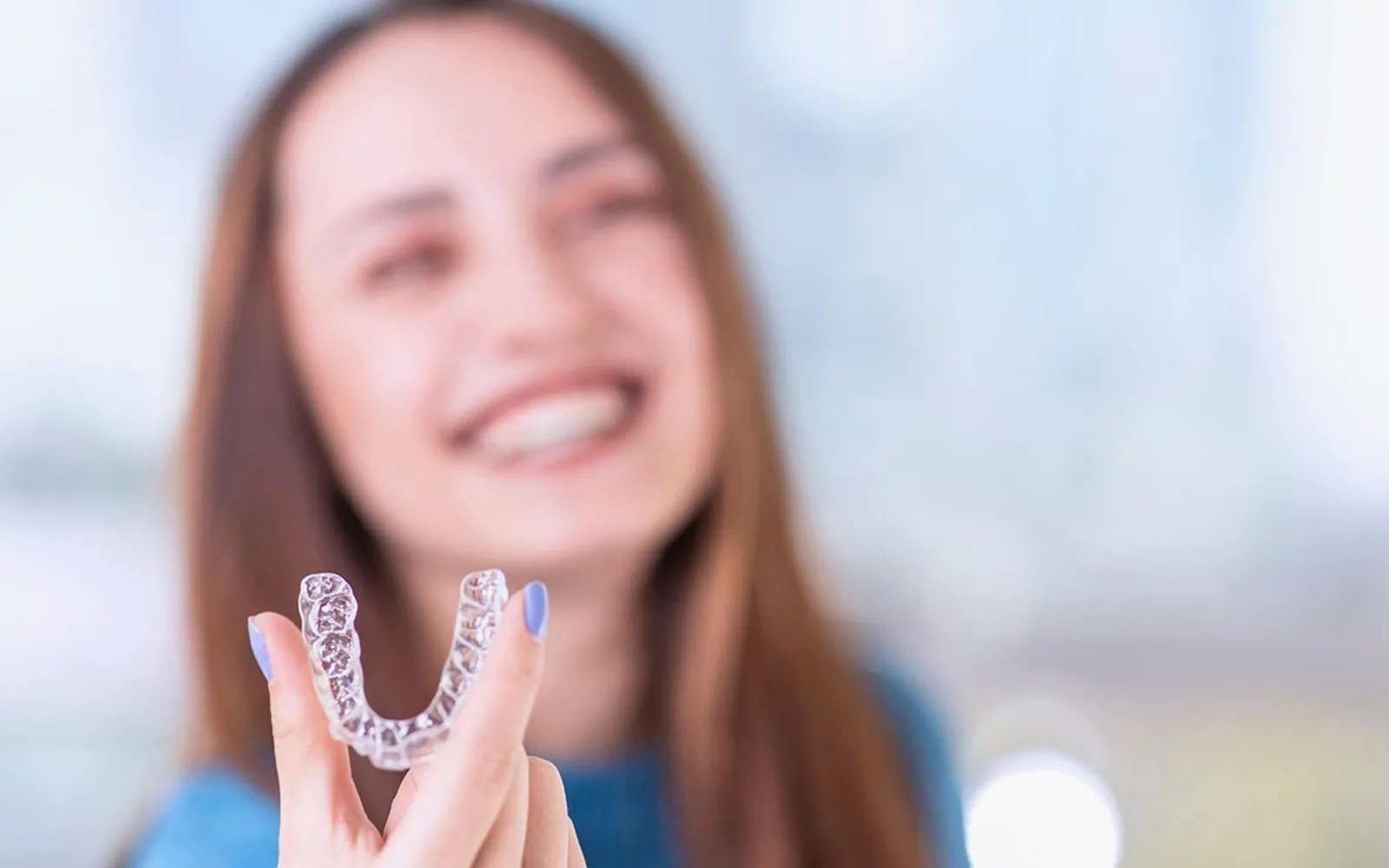
Quick takeaways A generation ago, starting braces meant biting into a tray of cold putty and waiting weeks for plaster models. Today the first appointment may involve a small wand gliding over the teeth…
A generation ago, starting braces meant biting into a tray of cold putty and waiting weeks for plaster models. Today the first appointment may involve a small wand gliding over the teeth while a 3D model builds itself on a screen. The biology of moving teeth has not changed, but the tools around it have, and they touch almost every step a patient goes through.
Step one: seeing the starting point
Intraoral scanners have replaced messy impressions in many clinics. They capture the shape of the teeth and bite as a digital file, which is quicker to repeat and far less likely to set off a gag reflex. X-rays are still part of planning, and some cases call for three-dimensional imaging of the roots and jaw. Clinicians weigh up what each image will add before taking it, so not every patient needs the most advanced scan available.
Step two: rehearsing the result
Planning software lets an orthodontist move teeth on screen before anything happens in the mouth. Different sequences can be tested, root positions checked and potential collisions spotted early. Patients often find it reassuring to see a predicted outcome, although it is worth remembering that a simulation is a goal, not a guarantee. Bone, gums and personal habits all influence how closely reality follows the plan.
Learning to combine this software with a solid grasp of tooth movement is a skill in its own right. Postgraduate routes such as Orthodontisten opleiding reflect how the profession now pairs classic clinical knowledge with digital planning, so that clinicians can read the data and still trust their own judgement in the chair.
Step three: choosing the appliance
| Option | What patients tend to like | What to keep in mind |
|---|---|---|
| Low-profile metal brackets | Smaller than older designs, reliable for complex movements | Careful brushing around wires is essential |
| Ceramic brackets | Blend in with tooth colour | Can need a little extra care to avoid staining |
| Self-ligating brackets | No elastic ties, sometimes fewer adjustments | Results still depend on diagnosis and mechanics |
| Clear aligners | Removable for meals and cleaning, discreet | Only work when worn for the hours prescribed |
Modern wires add another layer. Heat-activated nickel-titanium wires stay gentle at room temperature and become more active as they warm in the mouth, which many people find more comfortable in the early weeks. Aligners can be fitted with small tooth-coloured attachments that give the plastic something to grip, widening the range of movements trays can achieve.
Step four: checking in between visits
Some practices now ask patients to send photos taken with a phone or a simple scanning accessory. This lets the team see whether aligners are seating properly or whether hygiene needs attention, and can bring a review forward when something looks off. For families juggling school runs and work, fewer unnecessary trips to the clinic can make a long treatment easier to stick with.
Step five: holding the result
Once teeth reach their new positions, retainers keep them there. Many are now made from a final digital scan and produced on a 3D printer or in a lab working from the same file, which makes replacements simpler if one is lost. Bonded wires behind the front teeth are another option for long-term stability.
If you are weighing up treatment, bring a few questions to your consultation: which imaging is needed and why, which appliance suits your bite, how progress will be monitored and what retention will look like afterwards. Your orthodontist or dentist can explain which technologies genuinely help in your case, because the best tool is always the one chosen for the person in the chair.
One thing first
A guide, not a verdict
Our pages are good for understanding a topic and for writing down the questions you want to ask. They cannot tell you what is happening in your own mouth, lungs or body.
If anything here seems to clash with what your dentist, pharmacist or doctor has told you, their advice comes first.
The writers at Inside Schizophrenia
The topic map
Before you use this site. Everyday reading only. Your dentist, pharmacist or doctor knows your own situation.