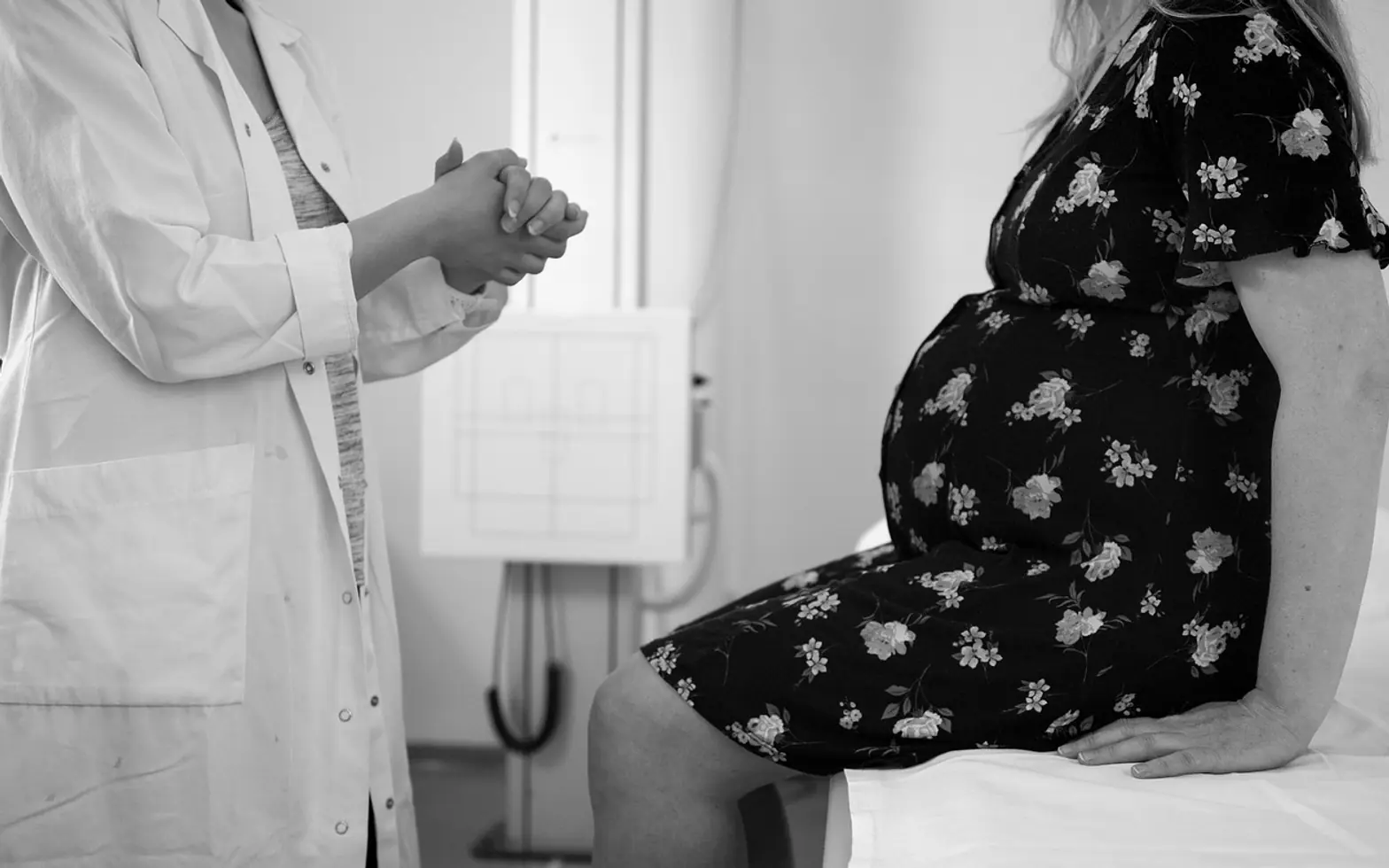
Quick takeaways The first prenatal visit is often long and full of new information. A short, written list of questions makes it easier to leave with the answers you actually need.
You sit down, the clinician opens a fresh file, and within minutes there are forms, a blood pressure cuff, a list of tests and a stream of dates. Many people walk out of their first prenatal appointment realising they forgot the one thing they meant to ask. The fix is simple and old-fashioned: decide on your questions beforehand, write them down and bring the list with you.
The appointment itself varies by country, clinic and how far along you are. It might be with a midwife, a family doctor, an obstetrician or a nurse, and it may be split across two visits. The questions below are a menu rather than a script. Pick the ones that matter to you, add your own, and expect that some will be answered before you even ask.
Before you go
A little preparation saves time in the room and gives the clinician a clearer picture.
- The first day of your last period, if you know it, plus anything you remember about your usual cycle.
- Every medicine you take, including vitamins, herbal products, inhalers, creams and anything bought without a prescription. Bring the packets or a photo of each label.
- Your health history: long-term conditions, past operations, previous pregnancies and any losses, if you feel able to share them.
- Family history on both sides where you know it, such as inherited conditions, diabetes or high blood pressure.
- Practical details: your work pattern, insurance or registration paperwork if your system needs it, and who can come with you.
Reading the small print on your current medicine boxes before the visit helps you answer questions accurately; a walk-through of what each part of a prescription label means can make that quicker. Do not stop or change a regular medicine on your own because you are pregnant. Ask first, because stopping some medicines suddenly carries its own risks.
Questions about dates and the plan ahead
- How has my due date been worked out, and could it change after a scan?
- What appointments should I expect over the coming months, and roughly how often?
- Which scans and blood tests are offered, what does each one look for, and which are optional?
- How and when will I hear about results, and what happens if something needs a second look?
- Who will I usually see, and will it be the same person each time?
Questions about medicines and supplements
This is the area where a written list helps most, because the answers are personal to you.
- Is it fine to keep taking each of my current medicines, or should any be reviewed?
- Which supplements are usually recommended in pregnancy, and is there anything I should avoid doubling up on?
- What can I take for a headache, a cold or heartburn if one turns up between visits?
- Should I tell my pharmacist and dentist that I am pregnant before any treatment?
Dental visits are worth raising early. Gums can become more tender during pregnancy, and a calm, thorough routine at home matters; the basics of brushing your teeth properly still apply, with any extra advice coming from your dentist.
Questions about daily life
| Topic | A question worth asking |
|---|---|
| Food and drink | Which foods and drinks should I limit or avoid, and how strict do I need to be? |
| Movement | Can I carry on with my usual exercise, and is there anything to stop or adapt? |
| Work | Does anything in my job, such as lifting, chemicals or long shifts, need changes? |
| Travel | Are there any limits on flights or long drives at my stage? |
| Smoking and alcohol | What support is available if I or someone at home wants to stop? |
| Sleep | Is there a sleeping position I should start getting used to? |
None of these questions is trivial or embarrassing. Clinicians hear them every day, and an honest answer from you about habits helps them give advice that fits your real life rather than an ideal one.
Questions about how you are feeling
Pregnancy affects mood and self-image as well as the body. It is reasonable to ask how emotional health is checked during prenatal care and where to turn if you feel low, anxious or overwhelmed. Some people find the changing shape of their body hard to adjust to, and gentle ideas on building a kinder body image can sit alongside whatever support your care team offers.
If you have had anxiety, depression or another mental health condition before, mention it at this first visit even if you feel well now. That way support can be planned rather than arranged in a hurry.
The question many people forget: what counts as urgent?
Before you leave, make sure you know:
- which symptoms mean you should call the same day, such as bleeding, severe pain, fever or a bad headache that will not settle;
- which number to ring during office hours and which to ring at night or at the weekend;
- when to go straight to emergency care instead of waiting for a call back.
Write those numbers in your phone and on paper. If anything ever feels seriously wrong, contact emergency services rather than waiting for the next routine visit.
Making the list work in the room
Put your three most important questions at the top, in case time runs short. Hand the list over or read from it; nobody will mind. Jot the answers down as you go, or ask whether you can bring someone to take notes. Many parents keep these notes in the same place as a personal pregnancy record, and a pregnancy journal kept as a story rather than a log is a natural home for both the medical answers and the feelings around them.
If you think of something on the way home, that is normal. Most care teams are happy to answer follow-up questions by phone or at the next visit, so add it to the list and carry on.
One thing first
A guide, not a verdict
Our pages are good for understanding a topic and for writing down the questions you want to ask. They cannot tell you what is happening in your own mouth, lungs or body.
If anything here seems to clash with what your dentist, pharmacist or doctor has told you, their advice comes first.
The writers at Inside Schizophrenia
The topic map
Before you use this site. Everyday reading only. Your dentist, pharmacist or doctor knows your own situation.