Quick takeaways We all learned to brush as children, and most of us never checked the method again. A short refresher on angle, pressure and timing can turn a quick scrub into a thorough clean.
Brushing is so automatic that most of us do it while thinking about something else entirely. That is fine, as long as the routine underneath is sound. Small details such as the angle of the brush, how hard you press and which surfaces you skip decide whether those two minutes actually clean your teeth.
Below is a general routine that suits most adults. Your dentist or hygienist knows your mouth and may suggest changes, for example if you have sensitive areas, gum recession, crowns or braces.
What you need
- A soft-bristled brush, manual or electric, with a head small enough to reach the back teeth.
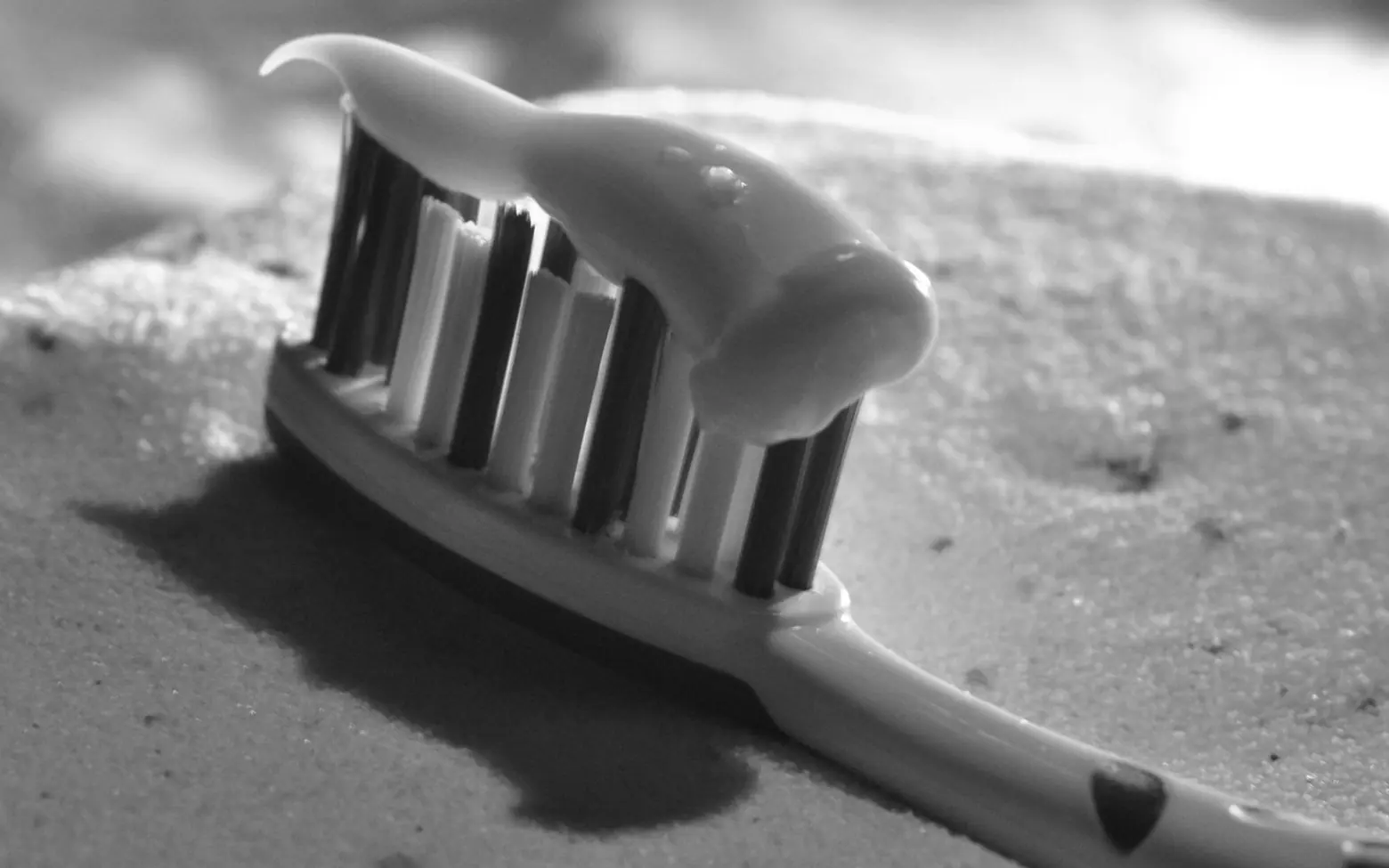
- A fluoride toothpaste. For adults, a pea-sized amount is plenty.
- A timer, whether that is the one built into an electric brush, a phone or a song you know lasts about two minutes.
The routine, step by step
- Angle the bristles towards the gumline. Hold the brush at roughly 45 degrees so the tips point to where tooth meets gum. That edge is where plaque likes to settle.
- Use small, gentle movements. With a manual brush, make short back-and-forth or circular strokes, about one or two teeth wide. With an electric brush, guide it slowly from tooth to tooth and let the head do the work.
- Work in sections. Split your mouth into four quarters: upper right, upper left, lower left, lower right. Spend about thirty seconds on each.
- Cover every surface. In each quarter, clean the outer faces, the inner faces facing the tongue or palate, and the chewing surfaces.
- Tilt the brush for the inside of the front teeth. Turn it upright and use the tip of the head with small up-and-down strokes.
- Finish with the tongue. A few gentle strokes from back to front help with freshness.
- Spit, but do not rinse straight away. Many dental teams suggest leaving the toothpaste film on the teeth rather than washing it off with water.
Pressure: lighter than you think
Scrubbing hard feels thorough, but it can wear down gums and the surface of teeth over time. A good test is to hold the brush with your fingertips, like a pencil, rather than in a tight fist. If the bristles splay out after a few weeks, you are probably pressing harder than you need to. Some electric brushes light up or slow down when you push too hard, which is a helpful nudge.
The spots people miss
| Easily missed area | Why it gets skipped | A simple fix |
|---|---|---|
| Inner surfaces of the lower front teeth | Awkward angle behind the teeth | Turn the brush upright and use the tip |
| The back of the last molars | Hard to reach with a wide head | Open a little less wide and slide the brush right to the back |
| The gumline on the outer upper teeth | Brushing tends to stay mid-tooth | Keep the 45-degree angle all the way along |
| Teeth on your dominant-hand side | We start strong on one side and rush the other | Change the quarter you start with every few days |
When to brush
Twice a day is the usual advice: once in the morning and once last thing at night. The evening brush matters a great deal, because saliva flow drops during sleep. After acidic food or drinks, such as fruit juice or fizzy drinks, some people prefer to wait a while before brushing and rinse with water in the meantime; your dentist can tell you whether that suits you.
Brushing with braces, aligners or dental work
Brackets and wires create extra edges where food collects, so brushing usually takes longer and may need a small interdental brush around each bracket. Clear aligners should go back onto clean teeth. Your orthodontic team will usually show you their preferred method; our article on clear trays, smart brackets and modern orthodontic planning gives some background on current treatment.
Keeping the brush in good shape
Even a perfect technique is let down by a worn-out brush. Rinse it well, store it upright to dry and swap it once the bristles start to bend. Our guide on replacing your toothbrush covers the signs to watch for.
When to see your dentist
Good brushing helps, but it does not replace check-ups. Book an appointment if your gums bleed often when you brush, if a tooth is sensitive to hot, cold or sweet things, if a tooth hurts when you bite, or if you notice a lump, ulcer or patch in your mouth that has not healed within a couple of weeks. Your dentist can also show you the technique on your own teeth, which is often the quickest way to correct a habit.
A two-minute summary
Soft brush, pea-sized fluoride toothpaste, a 45-degree angle at the gumline, gentle short strokes, four quarters of about thirty seconds, every surface, tongue last, spit without rinsing. Do it morning and night, and let your dental team fine-tune the rest.
One thing first
A guide, not a verdict
Our pages are good for understanding a topic and for writing down the questions you want to ask. They cannot tell you what is happening in your own mouth, lungs or body.
If anything here seems to clash with what your dentist, pharmacist or doctor has told you, their advice comes first.
The writers at Inside Schizophrenia
The topic map
Brush along: four quarters, thirty seconds each
The list moves on by itself every half minute. Keep the bristles angled at the gumline and cover the outer, inner and chewing surfaces before it does.
- Upper rightup next
- Upper leftwaiting
- Lower leftwaiting
- Lower rightwaiting
Swapping the first quarter every few days stops one side always getting the rushed end. This is a pacing aid only; your dentist or hygienist can check your technique on your own teeth.
Before you use this site. Everyday reading only. Your dentist, pharmacist or doctor knows your own situation.