How to Get Rid of White Tongue: Cleaning Tips and When to Get It Checked
- Shelved
- Takes
- 4min
Quick takeaways A white, furry-looking tongue is usually harmless and often clears with a simple cleaning habit. Here is how to do it gently, and what to watch for if it does not shift.
A white coating on the tongue is usually a build-up of dead cells, bacteria and food debris caught between the tiny bumps on its surface. In most cases it clears within a week or two with gentle daily tongue cleaning, plenty of water and good general mouth care. If the coating will not budge, comes with soreness or patches you cannot wipe away, or appears alongside other symptoms, a dentist, pharmacist or doctor should take a look.
Why a tongue turns white
The top of the tongue is covered in small projections called papillae. When they become swollen, or are not worn clean by normal chewing and saliva, debris collects between them and the surface looks white or furry. Common everyday reasons include:
- a dry mouth, from breathing through the mouth at night, not drinking enough or some medicines;
- smoking or chewing tobacco;
- drinking alcohol;
- a soft diet with little chewing, for example while unwell;
- skipping tongue cleaning or rushing through brushing.
Some medical causes can also turn the tongue white, including oral thrush (a yeast infection), a harmless pattern called geographic tongue, and white patches known as leukoplakia that need professional assessment. That is why a coating that refuses to clear should not be ignored.
How to clean your tongue
With a tongue scraper
- Stick out your tongue and rest the scraper as far back as is comfortable.
- Press lightly and draw it forward to the tip in one smooth stroke.
- Rinse the scraper and repeat a few times, covering the middle and both sides.
- Rinse your mouth, wash the scraper and leave it to dry.
With a toothbrush
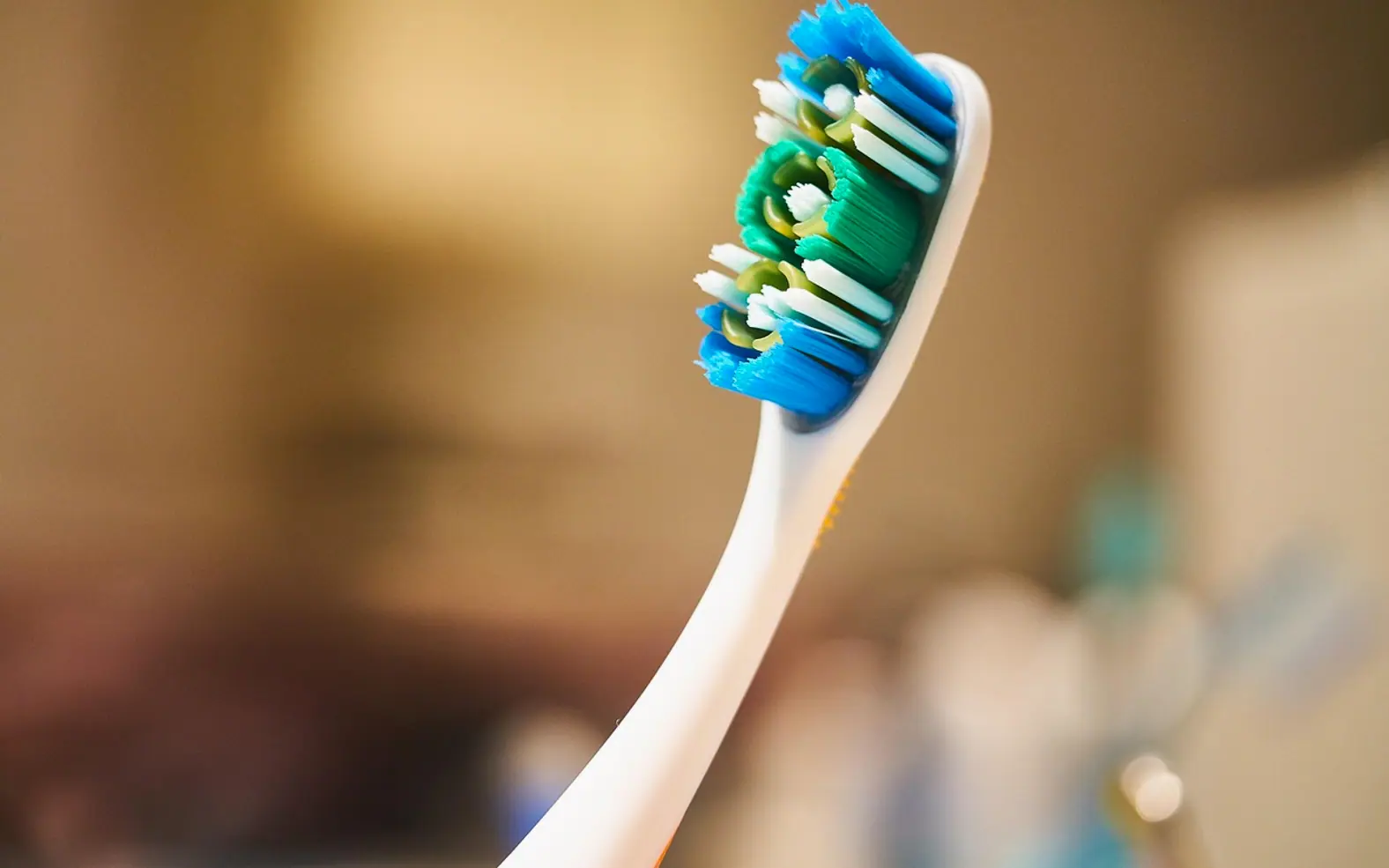
A soft toothbrush works too. Brush gently from back to front with a little toothpaste or none, then rinse. Some brushes have a ridged pad on the back of the head for exactly this. Our guide to brushing your teeth properly includes the tongue as the final step of the routine.
Scraper or brush: which suits you?
| Point of comparison | Tongue scraper | Toothbrush |
|---|---|---|
| Feel | A flat edge with wide contact | Bristles covering a smaller area |
| Gag reflex | Often easier, as it sits flatter | Can trigger gagging towards the back |
| Cost | Low, and it lasts if kept clean | Uses a brush you already own |
| Best for | A thicker coating and a daily habit | A light coating, or when travelling |
Tongue scraper benefits people report
Cleaning the tongue removes the coating you can see, and many people say it leaves the mouth feeling fresher. The back of the tongue is a common source of stale odour, so cleaning it is often suggested as part of tackling bad breath; our article on getting rid of bad breath sets it alongside the other everyday causes. Some also find that food tastes a little brighter. It is a simple habit rather than a cure-all.
Should you brush your tongue every day?
For most people, cleaning the tongue gently once a day, usually with the evening brush, is plenty. More is not better: pressing hard or scraping many times can leave the tongue sore. If it feels raw, take a break for a few days.
How long does it take to clear?
A coating caused by dryness, smoking or skipped cleaning often starts to fade within a few days of a steady routine. If it keeps coming back, look for the pattern: mornings after breathing through your mouth, days when you barely drank water, or spells of heavier smoking or drinking. Changing the trigger tends to work better than scraping harder.
Other habits that help
- Sip water regularly through the day.
- Clean between your teeth daily with floss, interdental brushes or a water flosser.
- Cut down on smoking or stop altogether; a pharmacist or local stop-smoking service can help.
- Replace your toothbrush once the bristles are worn; our guide on how often to replace your toothbrush lists the signs.
- Ask a pharmacist or doctor if you think a medicine is drying your mouth, and do not stop it on your own.
When to get it checked
See a dentist, doctor or pharmacist if:
- the coating has not improved after a couple of weeks of gentle cleaning;
- there are white patches that cannot be scraped or wiped away;
- your tongue is painful, burning or swollen;
- you also notice sores, a lump or a red patch; mouth ulcers are covered in our guide to canker sores;
- a creamy coating appears after a course of antibiotics or while using a steroid inhaler, which can point to thrush;
- you have a fever, feel unwell or find swallowing difficult.
Babies, people with diabetes, people with a weakened immune system and denture wearers are more prone to thrush, so in these groups it makes sense to get a white tongue looked at sooner rather than later.
One thing first
A guide, not a verdict
Our pages are good for understanding a topic and for writing down the questions you want to ask. They cannot tell you what is happening in your own mouth, lungs or body.
If anything here seems to clash with what your dentist, pharmacist or doctor has told you, their advice comes first.
The writers at Inside Schizophrenia
The topic map
Before you use this site. Everyday reading only. Your dentist, pharmacist or doctor knows your own situation.