Quick takeaways Almost everyone has bad breath now and then. Most of the time the cause sits in the mouth itself and a few steady habits help. Sometimes it is a sign to see your dentist or doctor.
Bad breath is one of the most common things people worry about and one of the least talked about. Nobody wants to ask a friend, and mints only hide the problem for half an hour. The reassuring part is that most everyday bad breath has ordinary causes, and a handful of habits can make a real difference.
This article is general information. If your breath stays unpleasant despite a good routine, a dentist or doctor can look for the reason in person, which is always better than guessing.
Where bad breath usually comes from
In most cases the smell starts in the mouth. Bacteria live on the teeth, between them, along the gums and especially on the rough surface at the back of the tongue. When they break down leftover bits of food, they release gases with a sour or sulphurous smell. Anything that gives those bacteria more to feed on, or less saliva to wash them away, tends to make breath worse.
Common everyday triggers
- Morning breath. Saliva flow drops while you sleep, so the mouth dries out and odours build up overnight.
- Strong foods. Garlic, onions and some spices can affect breath for hours, partly because their compounds are carried in the bloodstream and released through the lungs.
- Coffee and alcohol. Both can leave the mouth drier than before.
- Smoking. Tobacco smoke leaves its own smell and dries the mouth as well.
- Skipping meals or strict dieting. Some people notice a different, fruity or stale smell when they eat very little.
- Food trapped between teeth. Gaps around fillings, crowns or braces can hold on to particles.
- Not drinking enough. A dry mouth simply has fewer natural defences.
Everyday fixes that help
1. Brush twice a day, and do it well
A careful two-minute brush with fluoride toothpaste in the morning and before bed is the foundation. Technique matters more than force; our step-by-step guide on how to brush your teeth properly walks through it.
2. Clean your tongue
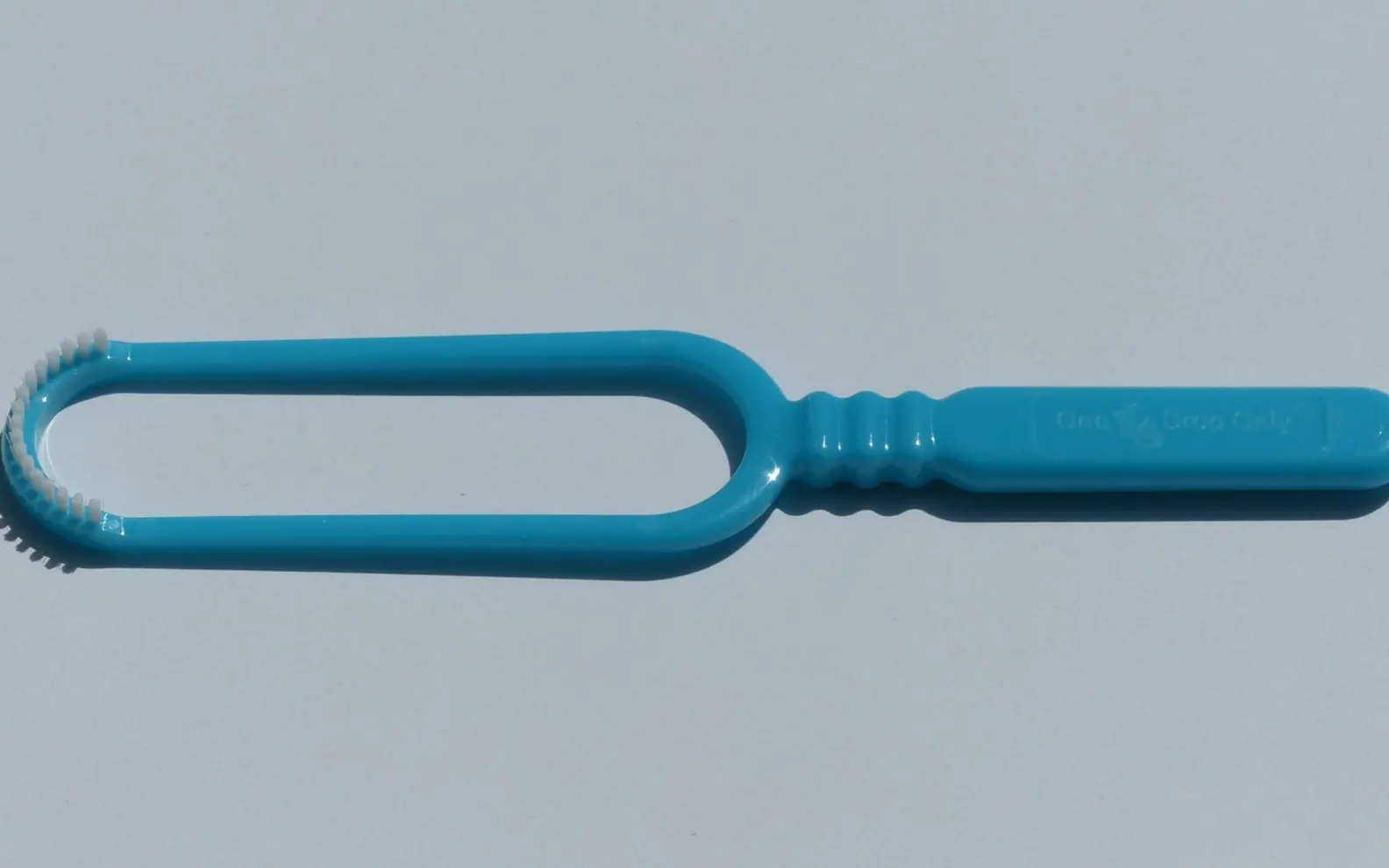
The back of the tongue is a favourite spot for odour-causing bacteria. Gently brush it from back to front, or use a tongue scraper. Go slowly if it makes you gag, and stop if it feels sore.
3. Clean between your teeth once a day
Interdental brushes, floss or a water flosser all reach places a toothbrush cannot. Ask your dental team which tool suits the spaces between your teeth.
4. Keep your mouth moist
Sip water through the day, especially after coffee. Chewing sugar-free gum after meals can also encourage saliva.
5. Look after dentures, retainers and aligners
Anything that goes in and out of the mouth collects bacteria too. Clean it as its maker or your dental team describes, and let it dry or soak as instructed.
6. Replace a tired toothbrush
Worn bristles leave more behind. If you cannot remember when you opened yours, read how often you should replace your toothbrush.
Quick fixes versus lasting habits
| Quick cover-up | What it does | Longer-term habit |
|---|---|---|
| Mints | Masks the smell for a short while | Tongue cleaning and interdental cleaning |
| Mouthwash | Freshens and may reduce some bacteria briefly | A thorough brushing routine twice a day |
| Strong coffee or gum with sugar | Feels fresher, but can dry the mouth or feed bacteria | Water through the day and sugar-free gum |
Mouthwash can be part of a routine, but it is not a substitute for brushing and cleaning between teeth. If you use one, many dental teams suggest using it at a different time from brushing so it does not rinse away toothpaste.
How to tell if your breath smells
It is hard to judge your own breath because the nose gets used to familiar smells. A trusted person is the most honest test. Failing that, lick the inside of your wrist, let it dry for a few seconds and sniff; it gives a rough idea, especially of tongue odour.
When bad breath is a reason to get checked
Ongoing bad breath is sometimes linked to things a routine cannot fix, such as gum disease, a tooth that needs treatment, dry mouth caused by a medicine, or problems outside the mouth like sinus or stomach complaints. See your dentist if:
- your breath stays unpleasant for weeks despite good brushing and cleaning between teeth
- your gums bleed, look swollen or are pulling back from the teeth
- you have a painful tooth, a loose tooth or a bad taste that keeps returning
- your mouth feels dry most of the time
Talk to your doctor or GP if your dentist finds nothing in the mouth to explain it, or if bad breath comes with symptoms such as a blocked nose that will not clear, heartburn, unexplained weight loss or feeling generally unwell. If you take regular medicines and your mouth has become dry, a pharmacist can tell you whether that might be a side effect, but do not stop any medicine without speaking to whoever prescribed it.
The short version
Bad breath usually starts in the mouth and usually responds to the basics: careful brushing, a clean tongue, daily interdental cleaning, enough water and a fresh brush. If those habits are in place and the problem stays, that is the cue to let a professional take a look.
One thing first
A guide, not a verdict
Our pages are good for understanding a topic and for writing down the questions you want to ask. They cannot tell you what is happening in your own mouth, lungs or body.
If anything here seems to clash with what your dentist, pharmacist or doctor has told you, their advice comes first.
The writers at Inside Schizophrenia
The topic map
Before you use this site. Everyday reading only. Your dentist, pharmacist or doctor knows your own situation.