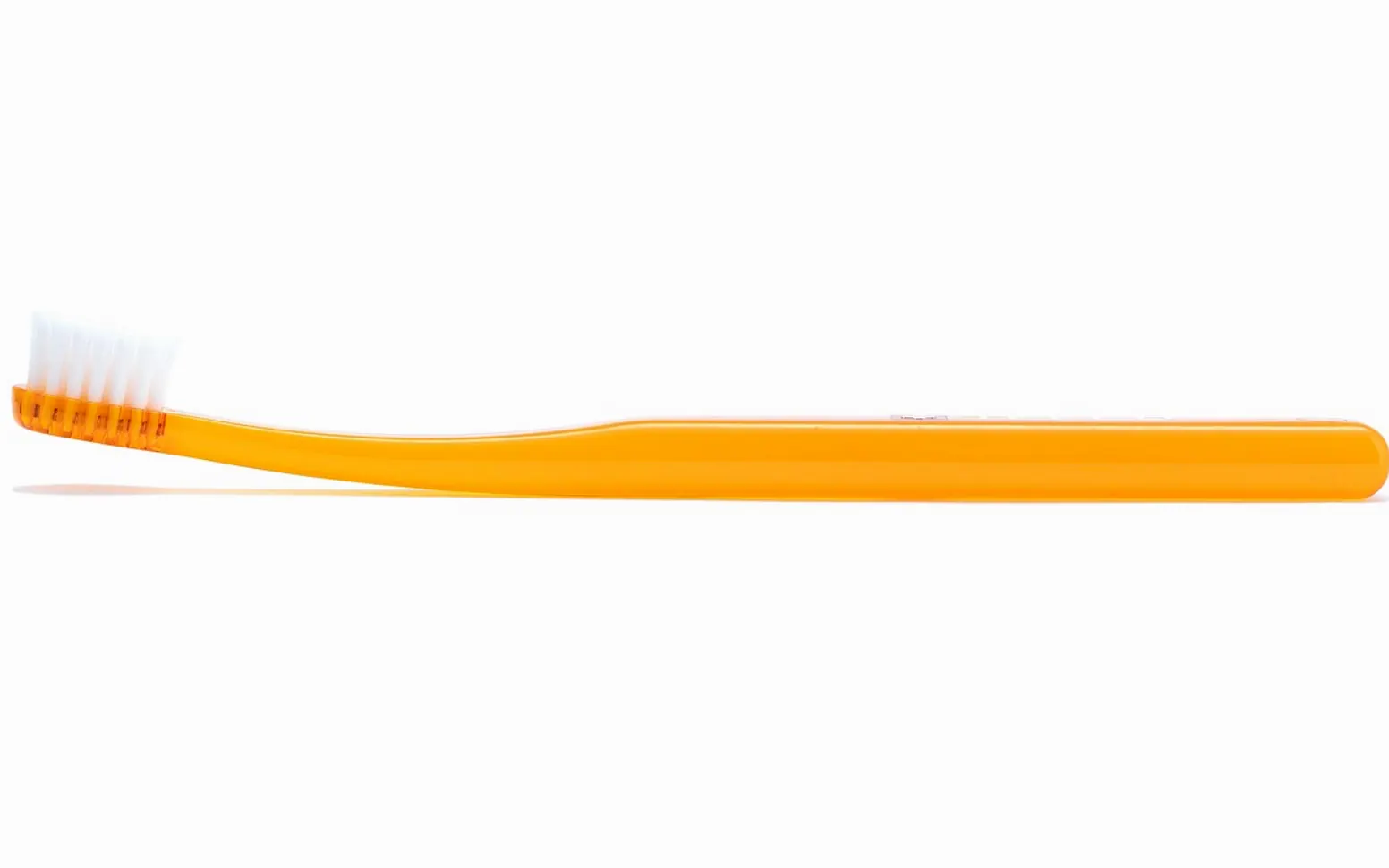
Quick takeaways Most of us notice a worn-out toothbrush long after it stopped doing its job. Here is a simple routine for knowing when to swap it, and a few habits that help a brush last its full life.
A toothbrush is one of those objects that quietly stays in the cup far longer than it should. It still looks like a toothbrush, it still foams up with paste, and nobody remembers the day it was opened. Yet a tired brush cleans less well than a fresh one, and it is one of the cheapest things in the bathroom to put right.
This guide covers the general rule of thumb, the signs that tell you to swap sooner, and a few storage habits that keep a brush in decent shape between replacements. If anything about your teeth or gums worries you, your dentist or dental hygienist can give advice that fits your own mouth.
The usual rule of thumb
Dental organisations commonly suggest replacing a manual toothbrush, or the head of an electric one, roughly every three to four months. That is not a magic number. It is a sensible point at which most bristles have started to lose their shape with twice-daily use.
The easiest way to stick to it is to tie the swap to something you already notice. Some people change their brush when the seasons turn. Others buy a multipack and write the opening month on the handle with a marker. A reminder in your phone calendar works too.
Signs it is time to swap sooner
The calendar is only a backstop. Your brush may need replacing earlier if you spot any of the following:
- Bristles bent outwards. If the tufts fan out like a worn broom, they no longer reach along the gumline or between teeth properly.
- Bristles that look flattened or frayed at the tips. Rounded tips are gentler on gums; frayed ones can feel scratchy.
- Discolouration or residue at the base. Paste and water collect where the bristles meet the handle. If rinsing does not clear it, start fresh.
- A brush that was dropped somewhere unpleasant. A trip to the bathroom floor or the inside of a travel bag full of shampoo is reason enough.
- After a cold, sore throat or stomach bug. Many people like to begin with a new brush once they feel better. It is a simple, low-cost step.
Heavy-handed brushers often wear bristles out within weeks. If your brush looks squashed long before the three-month mark, that can be a hint that you are pressing too hard, which is worth reading about in our guide on how to brush your teeth properly.
Manual or electric: does it change anything?
| Type | What to replace | Things to check |
|---|---|---|
| Manual brush | The whole brush | Bristle shape, residue at the base, grip still comfortable |
| Electric brush | The detachable head | Fading indicator bristles on some heads, a clean connection point |
| Children's brush | The whole brush or head | Chewed bristles, which happen quickly with younger children |
Some electric brush heads have coloured bristles that fade over time as a reminder. They are a useful nudge, but the look of the bristles themselves is still the best guide.
Storage habits that help
How you keep a brush between uses affects how fresh it stays. A few small habits make a difference:
- Rinse well after brushing. Run the head under the tap until no paste is left, then shake off the water.
- Store it upright and in the open air. A brush that can dry out between uses stays cleaner than one sealed away while damp.
- Give each brush some space. In a shared cup, heads touching each other is best avoided.
- Use travel caps only for travel. Covers are handy in a bag, but take the brush out and let it dry once you arrive.
- Keep it away from the toilet. A shelf or cabinet further away from the flush is a tidier spot.
- Never share. Even within a family, a toothbrush is a personal item.
What about soaking or sanitising?
You will find plenty of advice online about soaking brushes in mouthwash, boiling them or running them through the dishwasher. Boiling and dishwashers can warp the plastic and damage the bristles, which defeats the purpose. A thorough rinse and good drying is enough for everyday use, and replacing the brush on schedule matters more than any cleaning trick.
Choosing the next one
When you do buy a replacement, soft bristles are what many dental teams suggest for most adults, because they clean without being harsh on gums. Pick a head size that lets you reach your back teeth comfortably and a handle you can hold without straining. If you wear braces or clear aligners, ask your orthodontic team whether a particular brush shape would help; our piece on changes in orthodontic care looks at how treatment has evolved.
When to talk to your dentist
A new brush will not fix every problem. Book a check with your dentist if your gums bleed regularly when you brush, if a tooth is sensitive or painful, if you notice a sore spot in your mouth that has not settled within a couple of weeks, or if your brush wears out unusually quickly despite gentle brushing. Those are things a dental professional should look at in person.
For everything else, the routine is simple: note the date, watch the bristles, keep it dry and swap it before it starts to look tired.
One thing first
A guide, not a verdict
Our pages are good for understanding a topic and for writing down the questions you want to ask. They cannot tell you what is happening in your own mouth, lungs or body.
If anything here seems to clash with what your dentist, pharmacist or doctor has told you, their advice comes first.
The writers at Inside Schizophrenia
The topic map
Before you use this site. Everyday reading only. Your dentist, pharmacist or doctor knows your own situation.