Community Builders in White Coats: The Public Health Impact of Dentists Beyond Individual Treatment
- Shelved
- Takes
- 2min
- Last looked at
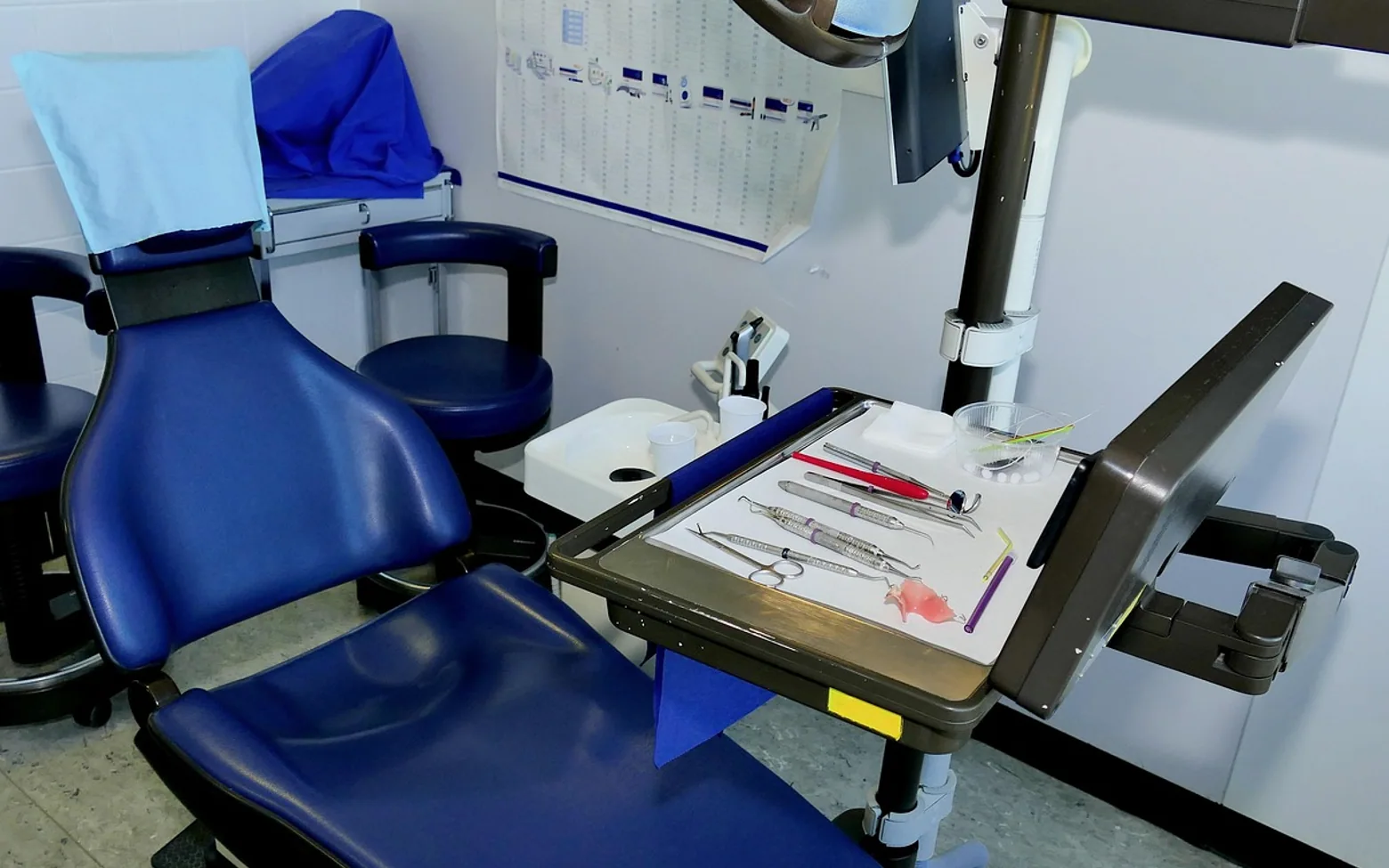
Quick takeaways Picture a typical week for a dentist and you probably imagine a reclining chair, a bright lamp and a queue of check-ups. That picture is accurate but incomplete. Beyond the treatment room,…
Picture a typical week for a dentist and you probably imagine a reclining chair, a bright lamp and a queue of check-ups. That picture is accurate but incomplete. Beyond the treatment room, dental teams quietly shape the health of whole neighbourhoods, often in ways patients never see.
The local practice as a first point of contact
For many families, the dental surgery is one of the few health settings they visit regularly even when they feel well. That routine contact matters. A check-up can be the moment someone mentions they have stopped eating properly, that a mouth ulcer will not heal, or that a child keeps missing school because of toothache. A dentist who listens can point people towards the right next step.
A neighbourhood clinic such as Summerbrook Dental & Implants Fort Worth shows how a single practice can become part of the fabric of its area: a familiar place where families bring everything from a first baby tooth to questions about replacing teeth later in life, and where long-term relationships make prevention easier to talk about.
Five roles that reach beyond the chair
- Spotting problems early. The mouth can show signs of wider issues, and dental teams are trained to notice changes that are worth a follow-up with a doctor.
- Working with schools. Screening days, fluoride varnish and fissure sealant programmes help children whose families might struggle to book regular visits.
- Linking up with medical care. Some clinics share records or referral routes with GPs, so conditions such as diabetes and gum health can be discussed together rather than in separate silos.
- Prescribing with care. Dental guidance in many places now favours sensible pain relief plans and clear patient advice, which supports wider efforts to use strong medicines responsibly.
- Sharing what they see. When dentists report patterns of disease in their area, health planners can direct prevention money where it is needed most.
Why prevention pays off for everyone
Untreated dental pain does not stay in the mouth. It disturbs sleep, makes concentrating at school or work harder and can send people to busy emergency departments that are not set up to fix the underlying tooth. Prevention, from healthy-eating messages to brushing clubs and fluoride where appropriate, aims to stop problems before they reach that point. It is unglamorous work, but its effects ripple outwards into classrooms, workplaces and hospital waiting rooms.
Closing the gaps in access
Rural areas, low-income communities and people with disabilities often find dental care harder to reach. Mobile units, outreach sessions in care homes, flexible appointment times and practices willing to take on patients with complex needs all help narrow that gap. Some dentists volunteer at community events; others mentor students who may go on to work in underserved areas.
How patients can play their part
Individuals can support this wider effort in simple ways: keeping regular appointments, mentioning medical changes and medicines at each visit, and encouraging relatives who have drifted away from dental care to book a check. If cost or anxiety keeps you away, say so when you call; many practices can explain options or adapt how appointments run. Your dentist is best placed to advise on what your own mouth needs, and a short conversation can often prevent a much bigger problem later.
One thing first
A guide, not a verdict
Our pages are good for understanding a topic and for writing down the questions you want to ask. They cannot tell you what is happening in your own mouth, lungs or body.
If anything here seems to clash with what your dentist, pharmacist or doctor has told you, their advice comes first.
The writers at Inside Schizophrenia
The topic map
Before you use this site. Everyday reading only. Your dentist, pharmacist or doctor knows your own situation.