- Home
- Technology
- Leaflet
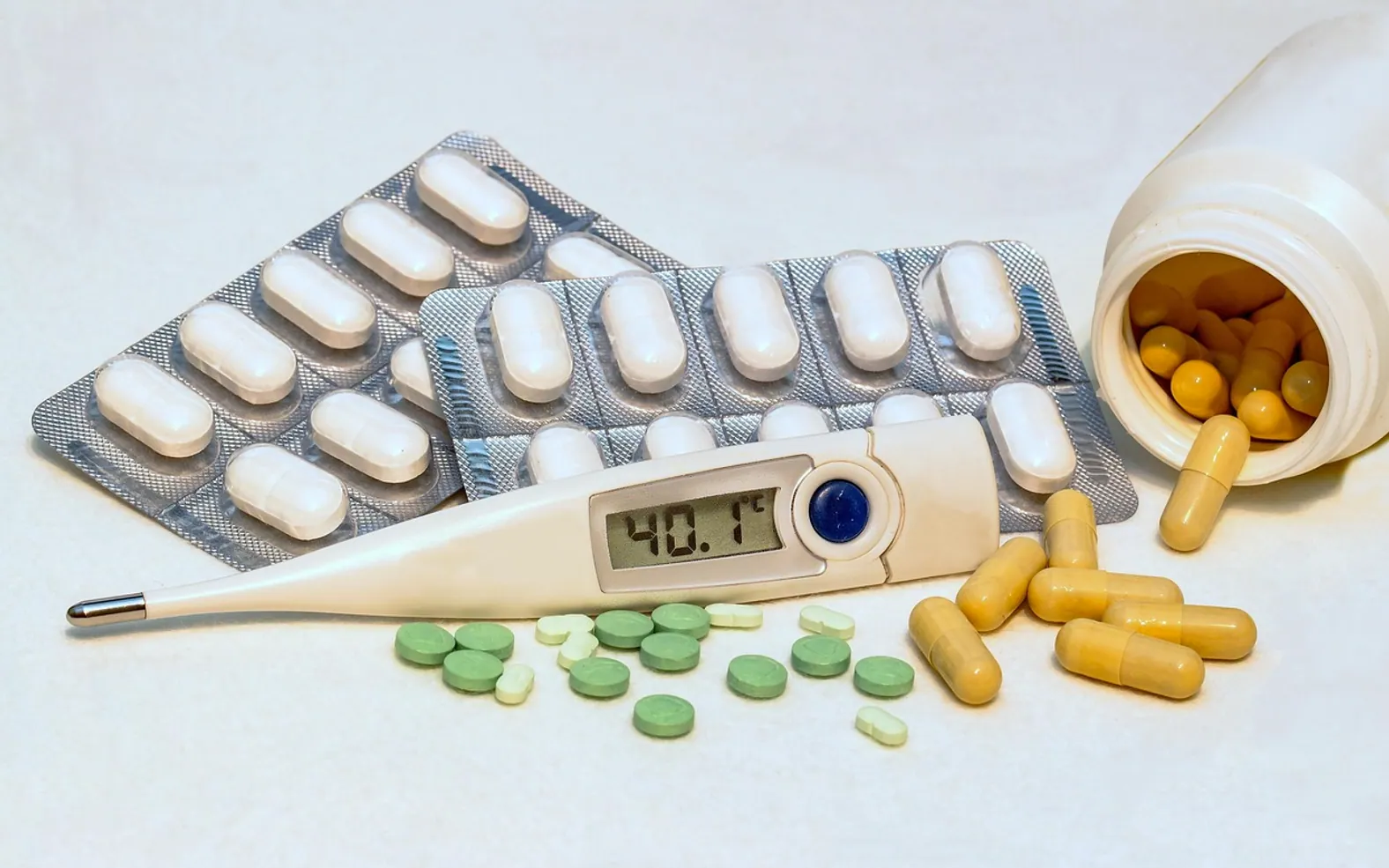
Quick takeaways A digital thermometer is simple to use, yet small slips such as a hot drink beforehand or a sleeve in the way can throw the number off. Here is how to get a reading you can trust.
To use a digital thermometer, clean the tip, switch it on, place it correctly for the type you own, keep still until it beeps, then read the display and note the time. Mouth readings need the tip under the tongue with the lips closed; armpit readings need the tip against dry skin with the arm held firmly down. Eating, drinking, exercise and a warm bath can all nudge the result, so a short wait beforehand gives a more dependable number.
Types of digital thermometer
| Type | Where it is used | Things to know |
|---|---|---|
| Stick thermometer | Under the tongue or in the armpit | Inexpensive and simple; keep separate ones if used in different places |
| In-ear (tympanic) | The ear canal | Quick; positioning matters and earwax can affect the result |
| Forehead (temporal or no-touch) | Across or just in front of the forehead | Handy for sleeping children; follow the distance and sweep instructions closely |
For babies and young children, the recommended method depends on age and on local health guidance. Ask a health visitor, nurse, pharmacist or doctor which one they suggest, and follow the instructions supplied with the device.
Step by step: a stick thermometer in the mouth
- Wait for the time the instructions give after eating, having a hot or cold drink, or smoking.
- Wash the tip in cool soapy water or wipe it with an alcohol swab, then rinse it.
- Switch on and wait for the ready signal.
- Slide the tip under the tongue, towards one side at the back, and close your lips around it.
- Breathe through your nose and stay still until it beeps.
- Read the number, write it down with the time, then clean and store the thermometer.
Step by step: under the arm
- Make sure the armpit is dry.
- Place the tip in the hollow of the armpit, touching skin rather than clothing.
- Hold the arm against the side of the body; with a child, a gentle cuddle keeps the arm in place.
- Wait for the beep and read the display.
Armpit readings tend to run a little lower than mouth readings. Use the same method each time so you can compare readings fairly.
Reading the display
Most thermometers show either Celsius or Fahrenheit, and some switch between them with a button. Check which scale yours is set to before reacting to the number. Readings taken a few minutes apart often differ slightly, which is normal; if one seems odd, take a second reading the same way.
Normal body temperature varies a little between people and across the day. Many health services treat 38°C (100.4°F) or above as a fever, but what matters, and when, depends on age and on how the person seems overall. Your local health service's guidance and the advice of a professional are the best guide to the thresholds that apply to you or your child.
Common mistakes
- Taking a reading straight after a hot drink, a bath or a workout.
- Talking or opening the mouth during an oral reading.
- Letting a sleeve or vest get between the tip and the armpit.
- Carrying on with a weak battery; a fading display or jumpy results can be the giveaway.
- Using one thermometer in different places without labelling it.
- Skipping the manual for an ear or forehead model, where angle and distance make a big difference.
Keeping a simple record
When someone is unwell, a quick log helps you and anyone you speak to. Note the time, the reading, the method, any medicines given and how the person seems. A notes app or a reminder tool can hold this alongside doses; our guide to setting up medication reminders explains how to keep that tidy.
During pregnancy, a raised temperature is worth reporting to your midwife or maternity unit. If you already keep a notebook of the months, as described in our piece on celebrating pregnancy with a personal journal, jot readings there too so they are easy to find when you call.
Cleaning and care
- Clean the tip before and after each use as the instructions describe, and do not submerge the whole device unless it is labelled waterproof.
- Store it in its case, away from heat and direct sunlight.
- Replace the battery when the low-battery symbol appears.
- Do not use old glass mercury thermometers; ask your pharmacy or local council how to dispose of one safely.
When to get medical advice
A thermometer gives you a number, but how the person looks and behaves matters just as much. Contact a doctor, nurse or pharmacist for advice about a high temperature, especially in babies, older adults, during pregnancy, or in anyone with a long-term condition or a weakened immune system. Seek urgent help or call your emergency number for difficulty breathing, a stiff neck, a rash that does not fade when pressed, confusion, unusual drowsiness or a seizure.
For a first question, your local pharmacy is often the quickest place to ask, and many now display health information near the counter, as our article on pharmacy screens and in-store information points out.
One thing first
A guide, not a verdict
Our pages are good for understanding a topic and for writing down the questions you want to ask. They cannot tell you what is happening in your own mouth, lungs or body.
If anything here seems to clash with what your dentist, pharmacist or doctor has told you, their advice comes first.
The writers at Inside Schizophrenia
The topic map
Before you use this site. Everyday reading only. Your dentist, pharmacist or doctor knows your own situation.